
How we work
From your first message to your final report — every step, in the open
Here is exactly what happens after you contact BEST ABASHON: who does what, what you receive at each step, what we need from you, and what we will never do.
Your journey in 8 steps
The same path for every service — verification, buying, selling, design, construction or management.
- Tell us what you need
Use any request form, call or message us on WhatsApp. A name, a mobile number and a short description are enough to begin. - Get your Case ID
Every enquiry gets a Case ID and a named person who owns it. You will use this Case ID for everything that follows. - We call you back
We aim to reply within 2 business hours. On the call we ask the right questions and tell you honestly whether we can help. - Agree the written scope and fee
Before paid work begins you receive what you will get, the timeline, the fee and what is not included. Nothing starts on a verbal promise. - Pay, and we confirm it
A bill is created with your case. You pay using the details we share, we verify the payment and mark your order Paid. You can see the status on the tracking page. - Send documents securely
We share a secure upload method after the case is created. Never send original documents, and never send papers over open chat. - We do the work
Document and record checks, site visits with dated photographs, surveys, valuation, design or construction — with a surveyor, engineer, architect or advocate where the scope needs one. - You receive the findings and decide
A written report links every finding to its evidence and is reviewed before release. You get updates at least every 2 business days on active paid cases — even when we are waiting on an authority. Every important decision stays yours.
Which government office does what — and what we do there
Land and building work never ends at one counter. Knowing where each record sits, what each office asks for and where files get stuck is what lets us run your case end to end.
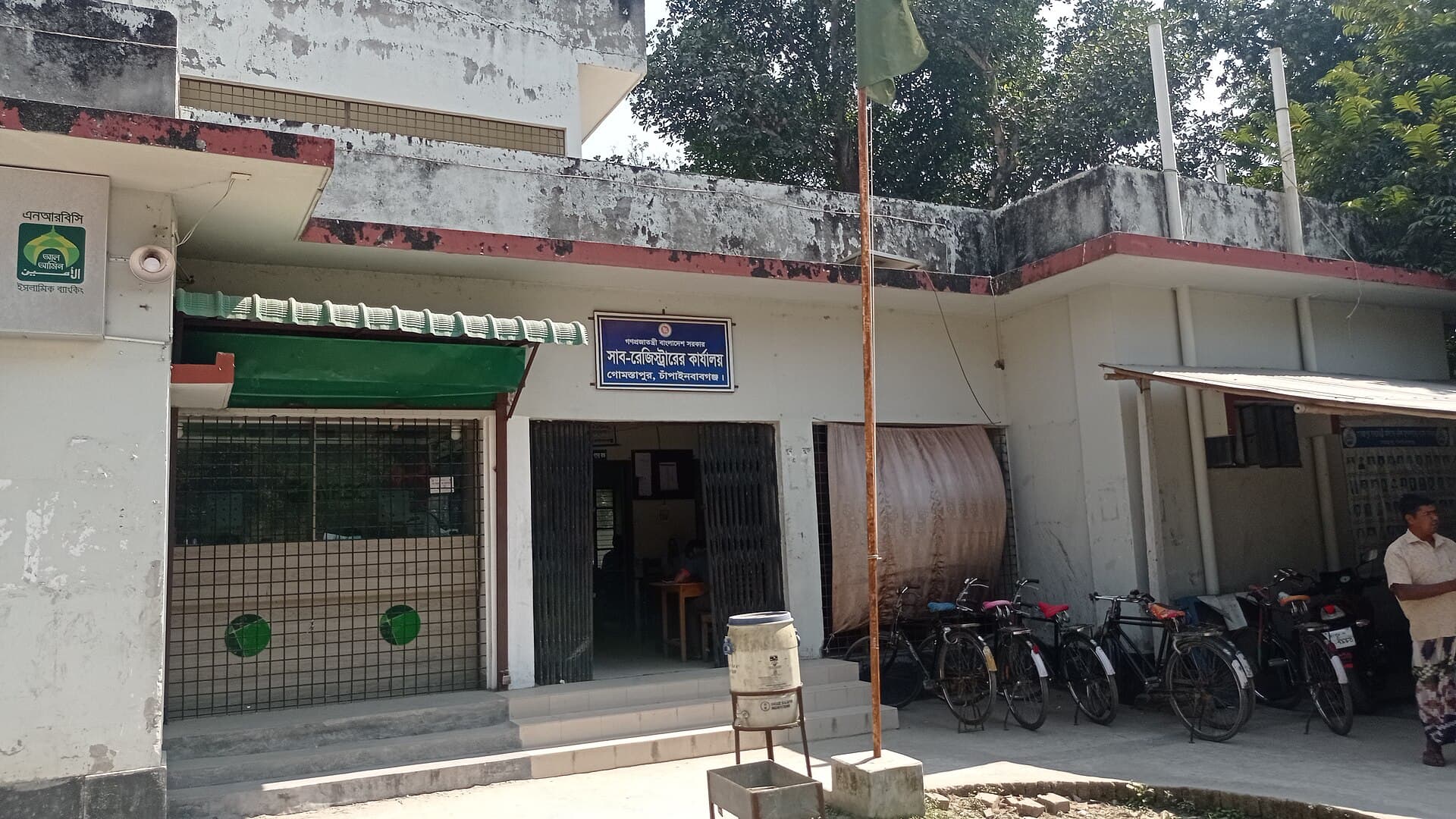
Sub-Registry Office
The office handles: Registers sale, gift, heba and other deeds and keeps the registered copy. This is where a deed becomes a legal record: it holds the deed index, so it shows who sold to whom, when, and for what registered value. It also issues certified copies, which is why a photocopy from the seller is never enough.
- Registration of sale, gift, heba, exchange, mortgage and power-of-attorney deeds
- The deed index and registered-deed books
- Certified copies of registered deeds
- Stamp duty, registration fee and related taxes paid at registration
What we do: Search and collect certified deed copies, trace the deed chain, and prepare papers for registration with your advocate.
Usually asked for: the deed or deed number, the parties’ NID, and mouza and dag details.

Upazila / Circle Land Office (AC Land)
The office handles: The land office of the area. It processes mutation (namjari), so that the buyer’s name enters the record after a purchase or inheritance, issues the current khatian (porcha), collects land-development tax and issues the DCR. Without a clean mutation, a buyer owns a deed but not yet the record.
- Mutation (namjari) of land and holdings
- The current khatian (porcha) and DCR
- Land-development tax collection and receipts
- Local land records and mouza maps for the area
What we do: Check mutation status, file and follow up applications on e-Mutation, and verify tax receipts.
Usually asked for: the previous deed, khatian, land-tax receipts, NID and an application on the official portal.
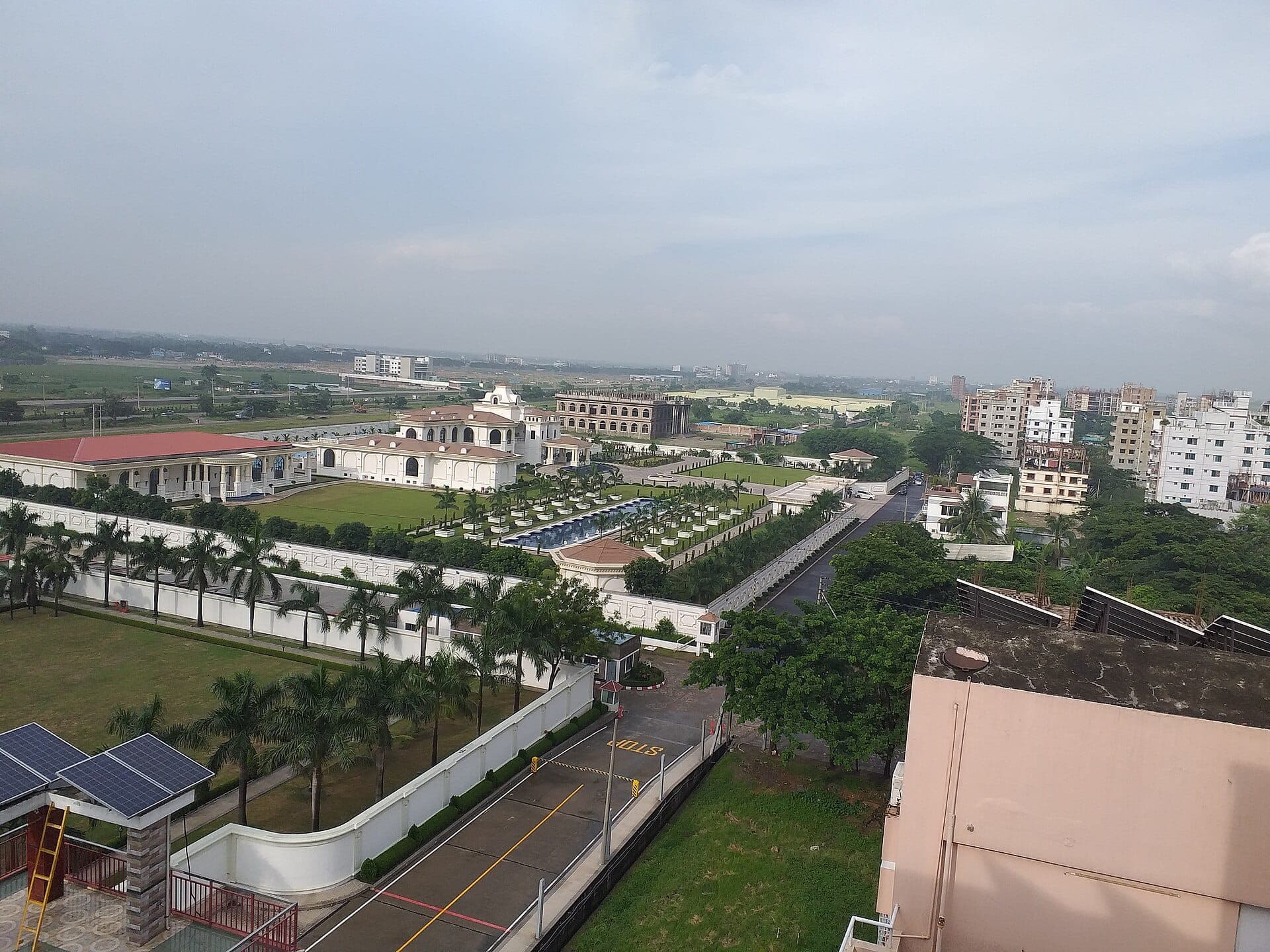
DC Office Record Room & Survey / Settlement Office
The office handles: Keeps the original survey records — CS, SA, RS, BS and city survey — and their maps. A deed can describe land in one way and the survey record in another; these offices hold the source against which area, dag and ownership history are compared.
- Original CS, SA, RS and BS khatians
- City-survey records and maps
- Certified copies (nakol) of khatians and maps
- The survey history of a single dag
What we do: Obtain certified khatian and map copies, then compare the records with the deed and with the site.
Usually asked for: mouza, khatian type and number, dag number and the applicant’s ID.
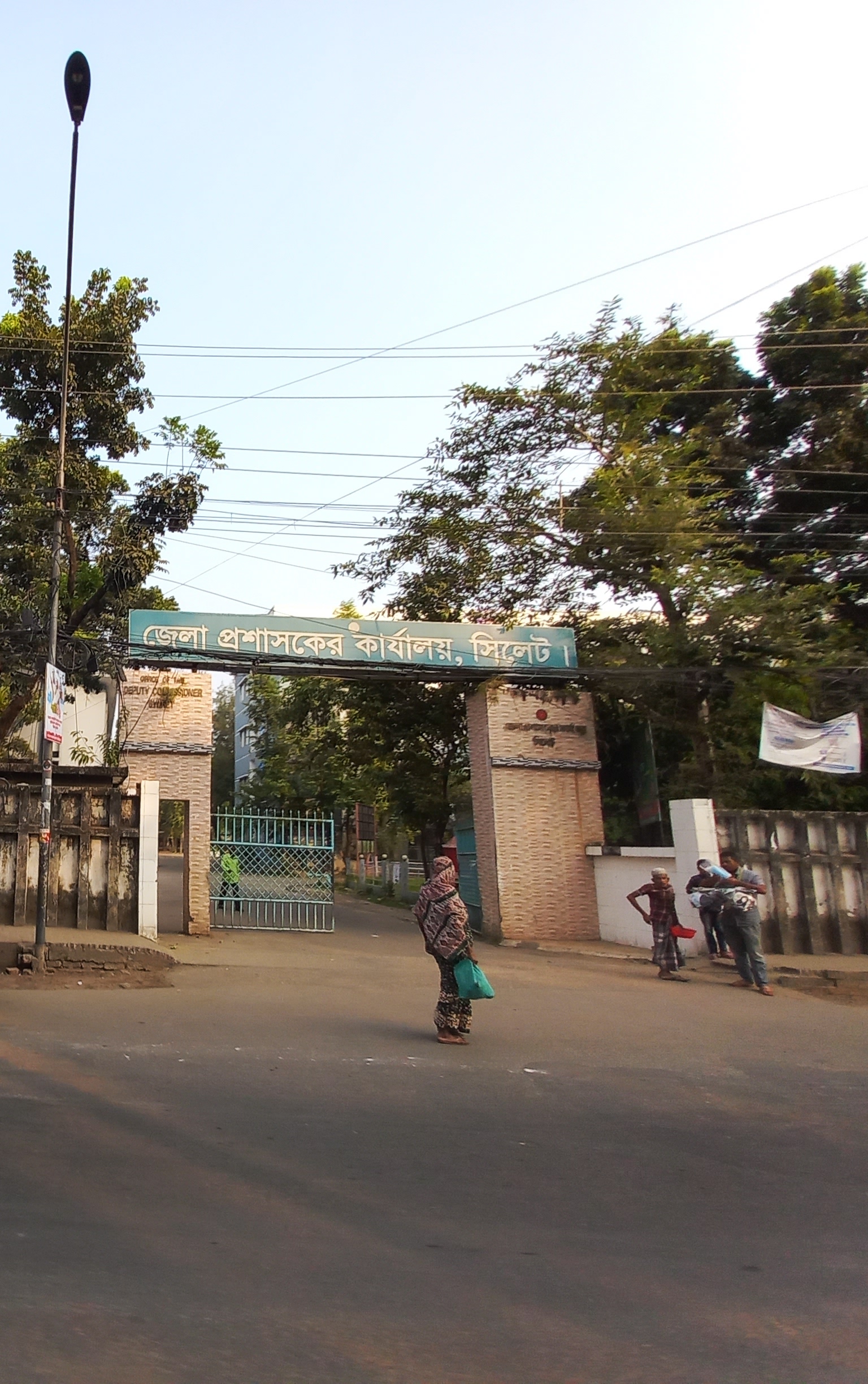
Deputy Commissioner’s Office
The office handles: The district’s authority on land that belongs to the state. It holds khas land, vested / abandoned property lists and land-acquisition (LA) cases. A plot that looks private on paper can still carry a government claim, and this is where that is found.
- Khas land and its settlement
- Vested / abandoned property lists
- Land-acquisition (LA) cases
- Oversight of land offices and records in the district
What we do: Search whether the land carries any government interest or past acquisition, and report what we find.
Usually asked for: mouza, dag and khatian details, and the purpose of the search.
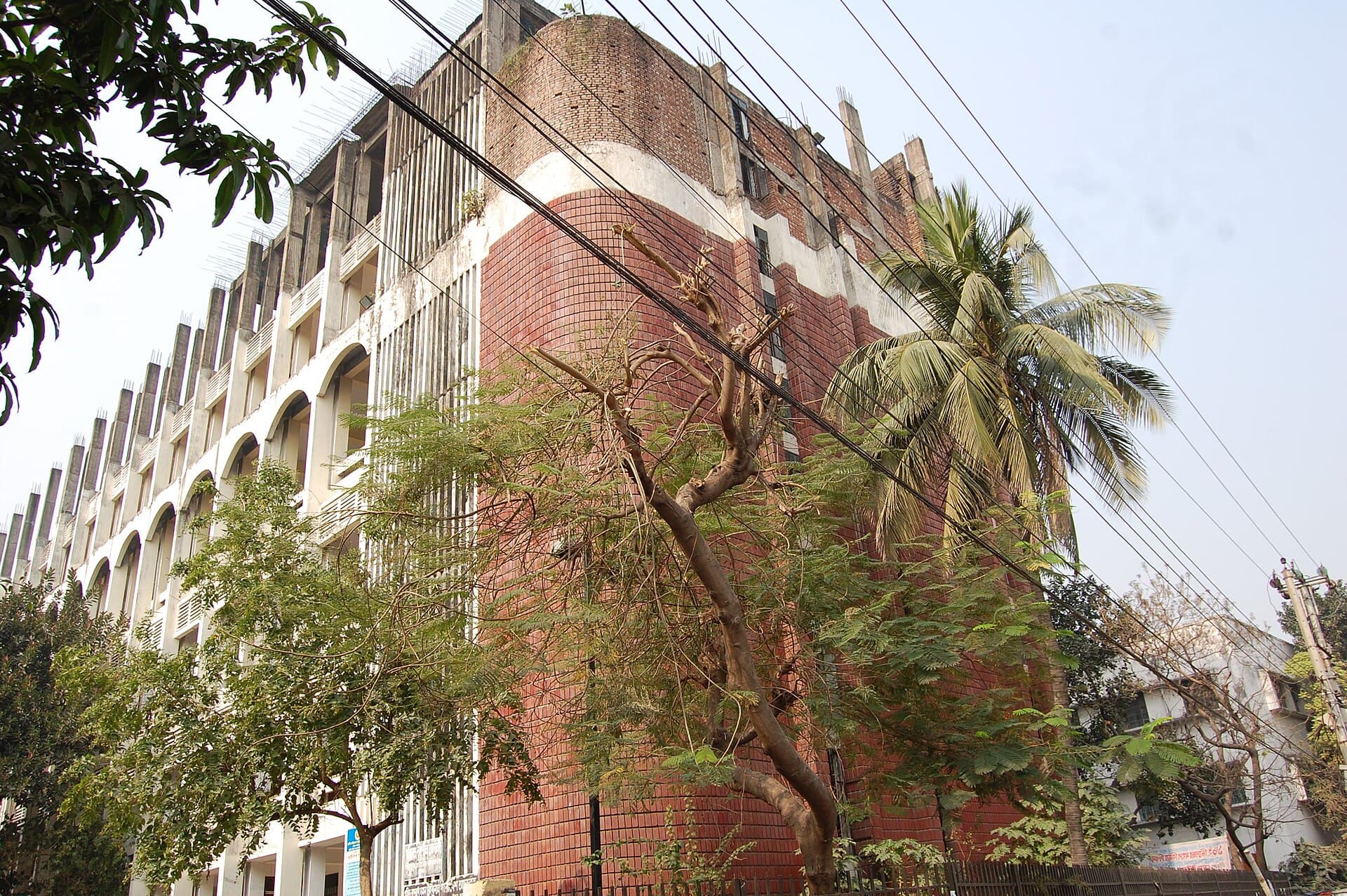
Courts and banks
The office handles: Courts record civil and criminal cases and orders that can freeze or cancel a transfer; banks and the registry record mortgages. A pending case or an unreleased mortgage can follow the land to its next owner, so both are searched before any money moves.
- Civil suits on title, partition and possession
- Injunctions and stay orders on transfer
- Mortgages recorded with banks and at registration
- Loan and lien status of the property
What we do: Search for litigation and mortgages. A legal opinion comes only from the advocate engaged on your case.
Usually needed: the owners’ names, mouza and dag details, and the deed information.

RAJUK and other development authorities
The office handles: The planning and building authority for Dhaka (other cities have their own). It issues the Land Use Clearance, the Construction Permit and, at the end, the Occupancy Certificate, and enforces the approved plan, the setbacks and the height limit.
- Land Use Clearance (LUC)
- Construction Permit
- Occupancy Certificate
- Area plan (DAP) zoning, setbacks and height rules
What we do: Prepare drawings with our architects and engineers, submit, answer queries and track every step.
Usually asked for: ownership papers, land-use details, signed drawings, soil test and structural design.
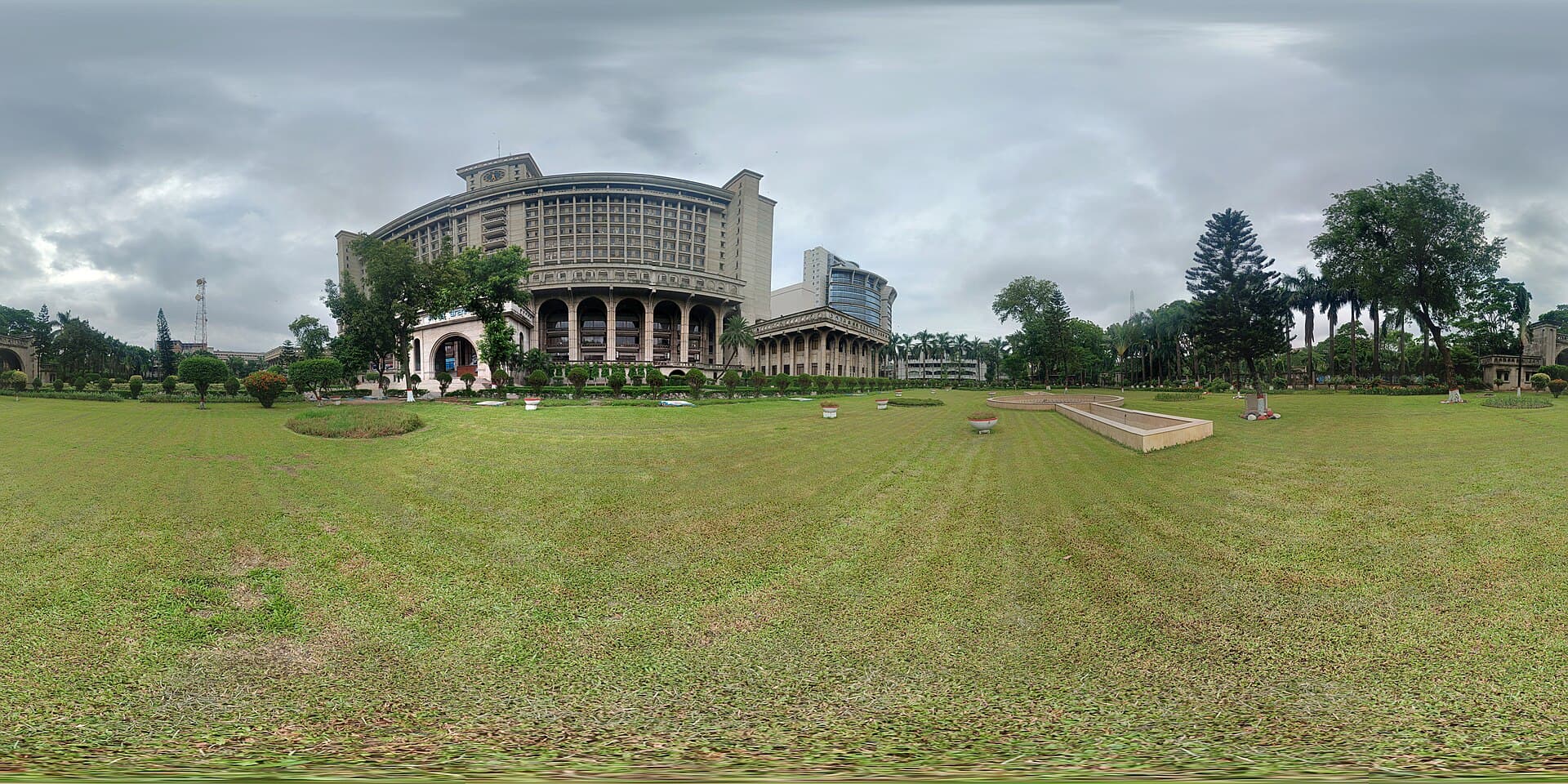
City Corporation / Municipality
The office handles: The local government that assesses holdings and collects holding tax. Its records show who is recorded as the holder, whether tax is paid up and whether the holding matches the land in the deed.
- Holding number for the property
- Yearly holding-tax assessment and receipts
- Name change on the holding
- Dues clearance that buyers and banks ask for
What we do: Check holding records and dues, and support name changes on the holding.
Usually asked for: the deed, mutation papers, tax receipts and the holding number.

Fire Service & Civil Defence
The office handles: Gives the fire licence and the clearance that shows a building meets fire and life-safety rules — exits, fire-fighting systems, alarms and access for fire engines. Many commercial and high-rise buildings cannot operate without it.
- Fire licence — new and renewal, applied online through e-Fire
- Review of fire-fighting and exit arrangements
- Fire-safety clearance at the plan stage
- Inspection of the building
What we do: Design to the fire requirements, prepare the file, apply and follow up.
Usually asked for: the approved plan, the fire-safety layout, and fire-fighting and exit details.
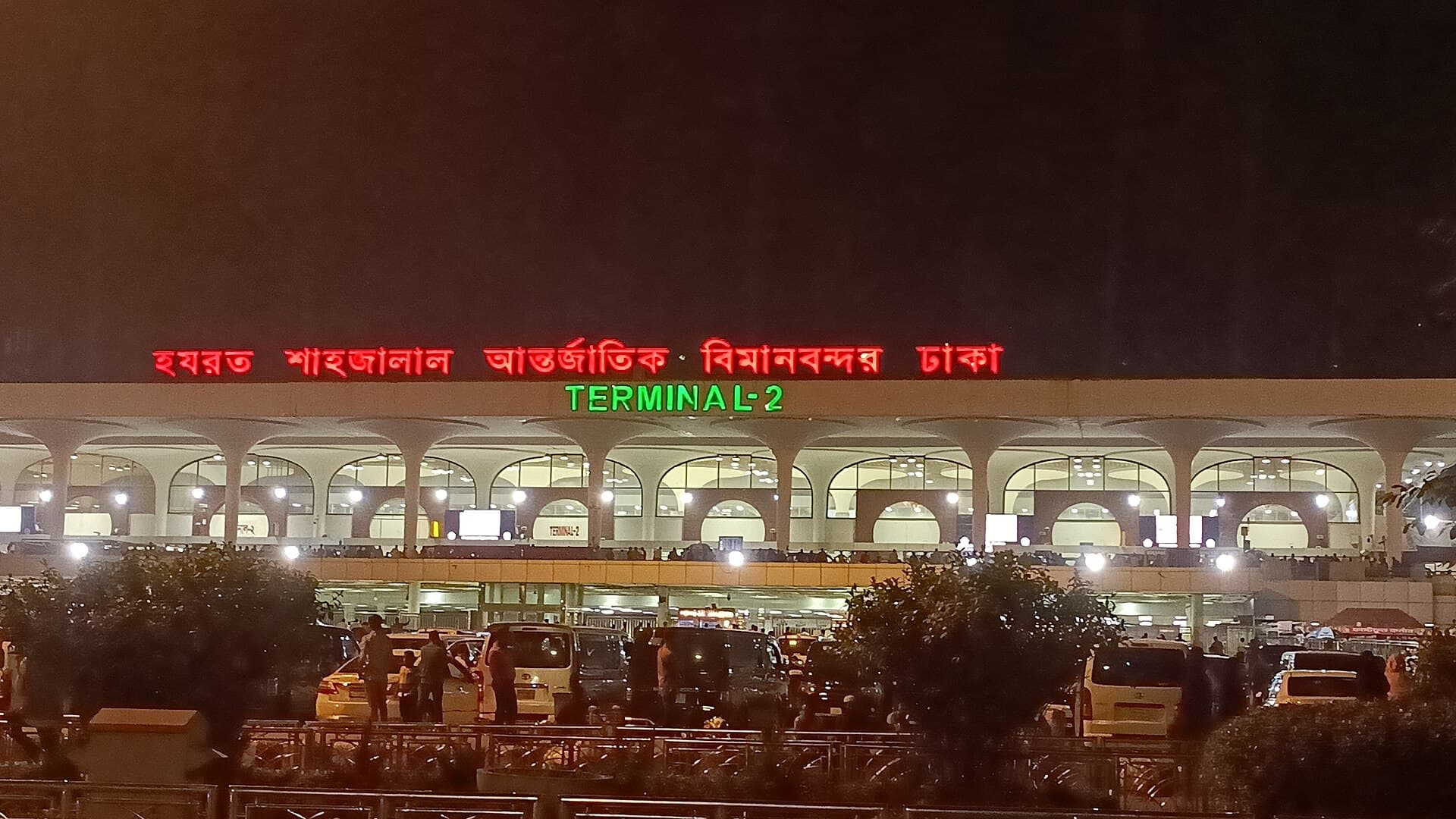
Civil Aviation Authority (CAAB)
The office handles: Controls building height near airports and flight paths so that buildings do not endanger aircraft. In affected zones, a building cannot rise above the allowed height without its clearance.
- Online building-height clearance application
- Height-restriction zones around airports
- Conditions attached to the allowed height
- Review of obstruction risk to flight paths
What we do: Check whether clearance applies to your plot, then apply and track it.
Usually asked for: plot coordinates, the planned building height and approved drawings.
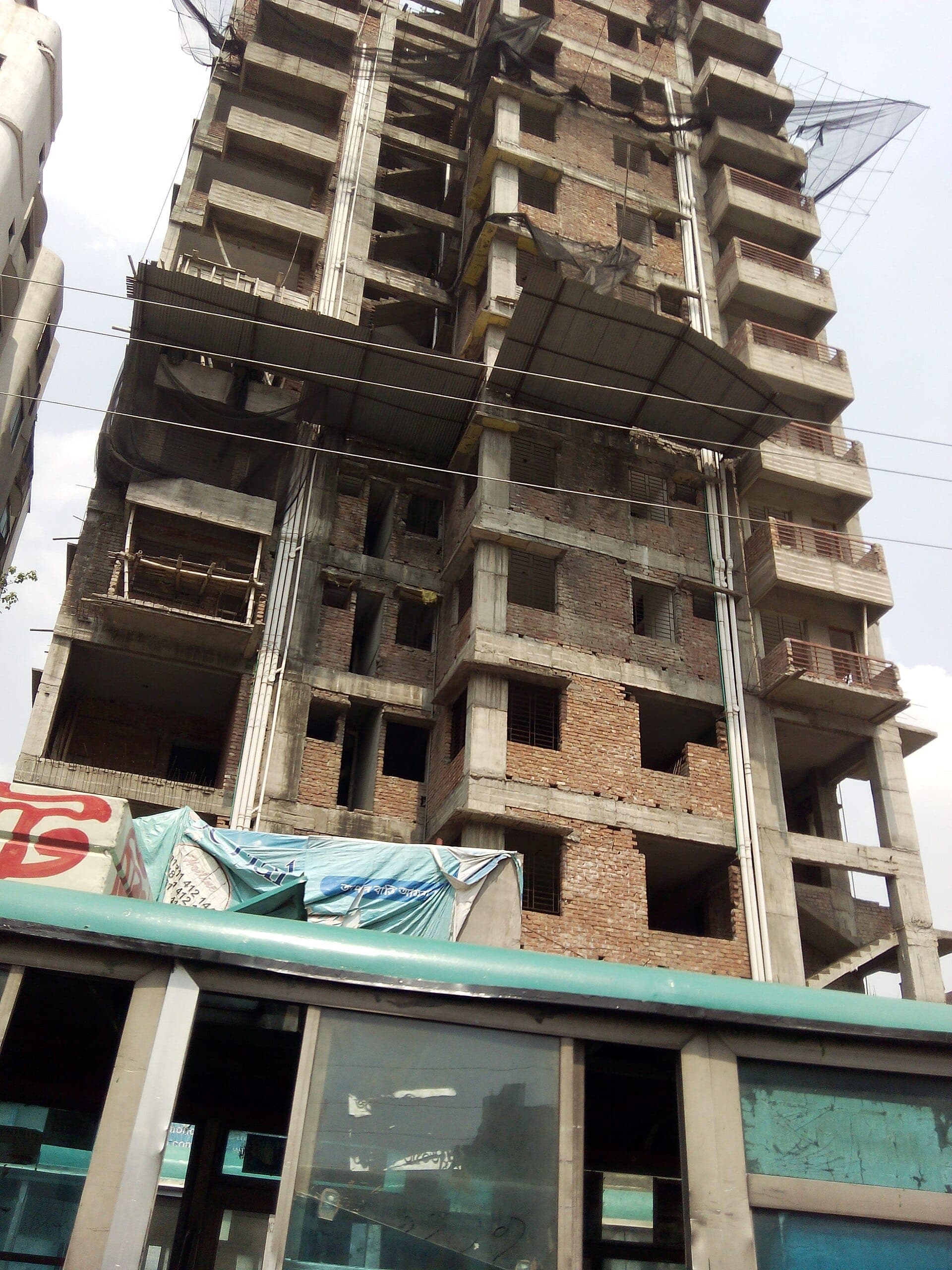
HBRI — Bangladesh National Building Code
The office handles: The research institute that publishes the national building code (BNBC 2020) — the rules for structure, fire, safety and materials. It is not a counter where you apply; it is the standard that approvals and inspections are measured against.
- Structural provisions for safe building
- Fire, electrical and plumbing provisions
- Earthquake-resistant design guidance
- Research and testing of building materials
What we do: Not an office we apply to — the standard our designs and inspections are measured against.
Used for: the structural, fire and safety requirements in our design and inspection work.
The office always decides. We prepare the papers, coordinate between offices, follow up and explain each step to you. How long an office takes is outside our control, so we tell you what is waiting on whom.
Experience you can lean on
More than 50 cases and projects have taught us where files stall, which papers offices ask for, and what a buyer, seller or owner needs to hear before deciding.
What you can count on
These are working rules, not slogans.
A Case ID for every request
So nothing is lost, and anyone on the team can find your file.
Written scope before paid work
What you get, how long, what it costs and what is excluded.
Findings tied to evidence
A document, a record or a site observation sits behind each statement.
Honest grading
Verified, Conditional, Red flag or Not verifiable — including what we could not check.
Independent checking
Due diligence is kept apart from sales incentives and reports adverse findings, even when that ends a deal.
The decision stays with you
We advise and coordinate. We do not sign, pay or commit on your behalf without your written authority.
What we need from you
- A reachable mobile number — WhatsApp if you live abroad, with your country code
- Copies of the documents you hold (deed, khatian, mutation, tax receipts, plans) through the secure upload
- The property’s location: mouza, dag number or address
- Your goal and your deadline, so we can set a realistic scope
- Prompt answers when we ask for a missing paper or a decision
What we will never do
- Promise a clean title, a RAJUK approval or a sale price — those belong to the authorities and the market
- Mark a property verified on a seller’s word alone
- Ask for original documents or documents over open chat
- Contact the seller or other parties without your agreement
- Handle cash, or hold your money without a separate written agreement
How it looks for your situation
Same method, different first step.
I am buying
Shortlist → inspect → verify → value → negotiate → close, with a verification check before any deposit.
See the path →I am selling
Get papers ready → value fairly → list → handle offers → close.
See the path →I own land or property
Decide whether to sell, lease, develop, renovate or manage — then act on one plan.
See the path →I am building or fixing
Estimate → design and approvals → construction, finishing and repairs, under one case.
See the path →I live abroad
Live video visits, WhatsApp in your time zone, dated photographs and a written report.
See the path →Quick answers
How soon will you reply?
We aim to reply within 2 business hours of your request.
Do I pay before work starts?
You agree the written scope and amount first. Work begins once the scope is agreed and payment is confirmed on your Case ID.
How do I know what is happening?
Active paid cases get an update at least every 2 business days, and you can check status any time on the tracking page.
What if you find a problem?
You get a clear report with the finding, its evidence and the conditions to meet before you pay. Some problems can be fixed; others are a reason to walk away.
Ready to begin? Open your case today
Tell us what you need. You will have a Case ID and a named owner as soon as you submit.